Buy bioimkerei.eu ?
We are moving the project
bioimkerei.eu .
Are you interested in purchasing the domain
bioimkerei.eu ?
domain@kv-gmbh.de · 0541-91531010
Buy bioimkerei.eu ?
What are alcohols?
Alcohols are a class of organic compounds that contain a hydroxyl group (-OH) attached to a carbon atom. They are characterized by their ability to dissolve in water and their distinct smell and taste. Alcohols can be classified based on the number of carbon atoms bonded to the carbon atom with the hydroxyl group, such as methanol, ethanol, and isopropanol. They are commonly used as solvents, disinfectants, and in alcoholic beverages. **
Are polyhydric alcohols the same as, for example, secondary alcohols?
No, polyhydric alcohols and secondary alcohols are not the same. Polyhydric alcohols are alcohols that contain more than one hydroxyl (-OH) group in their structure, such as glycerol or ethylene glycol. Secondary alcohols, on the other hand, are a specific type of alcohol where the carbon atom bearing the hydroxyl group is bonded to two other carbon atoms. Examples of secondary alcohols include isopropanol and 2-butanol. Therefore, while polyhydric alcohols refer to the presence of multiple hydroxyl groups, secondary alcohols refer to the specific structure of the carbon atom bonded to the hydroxyl group. **


Similar search terms for Alcohols
Top-Angebote
Products related to Alcohols:
-
Organic Shop SOS Lip Balm with Beeswax 10 mlHealth and Beauty Treatments Organic Shop SOS Lip Balm with Beeswax 10 ml With beeswax and organic shea butter. Targeting dry, chapped lips, it deeply nourishes them creating a light protective barrier. Provides a long-lasting soothing sensation and nourishing therapy throughout the day. Collagen hydrates, plumps and promotes the appearance of healthy, nourished lips. Organic Shea Butter promotes deep hydration and nourishment, helping to heal cracks and relieve dryness. Beeswax perfectly retains moisture, soothes cracks and creates a protective layer. Small, soft tube with slanted applicator for easy on-the-go application. Method of Use Pass over lips as many times as necessary. Try to apply 15 minutes before sun exposure. Use it more often in dry, cold or windy conditions.2,84 £*Shipping: 3,99 £Secure redirect to the provider
-
TIMELESS Handmade Tablecloth by Sustainable Threads Organic Cotton Handwoven Ikat Fair TradeTIMELESS Tablecloth Add rich heritage and extraordinary craftsmanship to your table with our TIMELESS Tablecloth, meticulously handmade from organic cotton and woven on traditional manual looms.152,00 $*Shipping: 0,00 $Secure redirect to the provider
-
Dr. Organic Manuka Honey Shampoo 265 mlHealth and Beauty Shampoos Dr. Organic Manuka Honey Shampoo 265 ml What is Dr. Organic Manuka Honey Shampoo 265 ml? Dr. Organic Manuka Honey Shampoo 265 ml is an exceptional hair care product that combines the unique properties of Manuka Honey with natural and organic ingredients to offer a complete hair care solution. This shampoo not only cleanses the hair effectively, but also nourishes, moisturizes and revitalizes it from root to tip. Its rich and gentle formula is ideal for revitalizing the hair, leaving it soft, shiny and visibly healthier. Benefits: Intense hydration : Provides deep hydration, leaving hair soft and manageable. Strengthens hair : Helps repair damaged hair and strengthen hair fibers to reduce breakage. Stimulates healthy growth : Nourishes the scalp, promoting stronger, healthier hair growth. Natural shine : Leaves hair with a natural shine and reduces the appearance of frizz. Antioxidant Protection : Manuka honey provides antioxidant properties that protect hair from environmental damage. Who is it for? Dr. Organic Manuka Honey Shampoo 265 ml is perfect for anyone looking for a natural product to improve the health and appearance of their hair. It is especially beneficial for those with dry, damaged hair or hair that requires extra hydration and nourishment. Its gentle formula makes it suitable for frequent use and for all hair types, including those that are sensitive and prone to irritation. How do I apply it? Applying Dr. Organic Manuka Honey Shampoo 265 ml is easy and effective: Wet your hair with warm water. Apply a generous amount of shampoo to your hands and massage into your scalp and hair until it lathers. Leave the product on for a few minutes to allow the ingredients to penetrate and nourish the hair and scalp. Rinse thoroughly with water until the shampoo is completely removed. For best results, follow with a conditioner from the same Dr. Organic Manuka Honey line. Buy Dr. Organic Manuka Honey Shampoo 265 ml Purchasing Dr. Organic Manuka Honey Shampoo 265 ml is the first step towards achieving beautiful, healthy and bouncy hair. This shampoo not only offers deep cleansing, but also ensures complete nourishment thanks to its organic and natural ingredients. It's time to experience the difference a quality shampoo can make for your hair. Buy now and transform your hair care routine! Transform your hair with Dr. Organic Manuka Honey Shampoo. Deep nourishment and hydration for your hair.5,98 £*Shipping: 3,99 £Secure redirect to the provider
-
Kozy Kitchen Serving Tray, Breakfast Tray, Organic Bamboo, Tea Lovers Gift, Sustainable GiftA single thing can make a bad day better. Especially a perfect morning. Everyone's idea of an ideal breakfast consists of a serving tray with a delicate cup of tea or that strong coffee with freshly squeezed juice.27,29 $*Shipping: 0,00 $Secure redirect to the provider


-
What are monohydric alcohols?
Monohydric alcohols are organic compounds that contain a single hydroxyl (-OH) group attached to a carbon atom. They are also known as primary alcohols. Monohydric alcohols can be found in various natural sources such as fruits, vegetables, and grains, and are also commonly used in the production of alcoholic beverages, solvents, and as fuel additives. Examples of monohydric alcohols include methanol, ethanol, and propanol. **
-
Are all alcohols lipophilic?
Yes, all alcohols are lipophilic, meaning they are attracted to and soluble in lipids or fats. This is because alcohols have a hydrophobic (water-repelling) portion, which allows them to interact with and dissolve in non-polar substances like lipids. This property makes alcohols useful in a variety of applications, including as solvents in the pharmaceutical and cosmetic industries. **
-
What are alcohols in chemistry?
Alcohols are a class of organic compounds that contain a hydroxyl (-OH) functional group, which is a combination of a hydrogen atom and an oxygen atom bonded to a carbon atom. They are characterized by their ability to dissolve in water and their ability to undergo reactions such as oxidation and esterification. Alcohols can be classified as primary, secondary, or tertiary based on the number of carbon atoms bonded to the carbon atom bearing the hydroxyl group. They are commonly used as solvents, disinfectants, and in the production of various chemicals and consumer products. **
-
Which alcohols can you drink?
You can drink alcohols that are safe for human consumption, such as beer, wine, and spirits. It's important to drink responsibly and in moderation, and to be aware of your own tolerance and any potential health risks. It's also important to be of legal drinking age in your country or region. Always consult with a healthcare professional if you have any concerns about alcohol consumption. **

'It's about alcohols in chemistry.'
Alcohols are a class of organic compounds that contain a hydroxyl group (-OH) bonded to a carbon atom. They are commonly used as solvents, disinfectants, and in the production of various chemicals. Alcohols can be classified as primary, secondary, or tertiary based on the number of carbon atoms bonded to the carbon atom bearing the hydroxyl group. They also undergo various chemical reactions, such as oxidation to form aldehydes or ketones, and esterification to form esters. **
Why are primary and secondary alcohols not as reactive as tertiary alcohols in SN1 reactions?
Primary and secondary alcohols are not as reactive as tertiary alcohols in SN1 reactions because the rate-determining step in SN1 reactions involves the formation of a carbocation intermediate. Tertiary alcohols form more stable carbocation intermediates due to the presence of more alkyl groups, which stabilize the positive charge through hyperconjugation and inductive effects. In contrast, primary and secondary alcohols form less stable carbocation intermediates, making the reaction less favorable. As a result, tertiary alcohols undergo SN1 reactions more readily than primary and secondary alcohols. **
Top-Angebote
Products related to Alcohols:
-
Fusion Finds Plastic Honey Bucket Rack Frame Holder For Beekeeping And Honey Extraction Plastic Honey Bucket Rack Frame Holder For Beekeeping And Honey ExtractionMake honey handling more convenient with this plastic honey bucket rack designed for beekeeping tasks. Measuring 8.3 x 6.7 inches (21 x 17 cm), it provides support for honey buckets during extraction and storage. The durable plastic construction is...49,97 $*Shipping: 0,00 $Secure redirect to the provider
-
HomeDecorAndMore LLC 100% Organic Wood Restoration Beeswax 100% Organic Wood Restoration BeeswaxIs your furniture losing its shine and giving a centuryold vibe Does this make you want to buy new furniture But that is expensive and will surely take a toll on your budget for months. Want an affordable way out of this issue that makes your...21,97 $*Shipping: 0,00 $Secure redirect to the provider
-
Organic Shop SOS Lip Balm with Beeswax 10 mlHealth and Beauty Treatments Organic Shop SOS Lip Balm with Beeswax 10 ml With beeswax and organic shea butter. Targeting dry, chapped lips, it deeply nourishes them creating a light protective barrier. Provides a long-lasting soothing sensation and nourishing therapy throughout the day. Collagen hydrates, plumps and promotes the appearance of healthy, nourished lips. Organic Shea Butter promotes deep hydration and nourishment, helping to heal cracks and relieve dryness. Beeswax perfectly retains moisture, soothes cracks and creates a protective layer. Small, soft tube with slanted applicator for easy on-the-go application. Method of Use Pass over lips as many times as necessary. Try to apply 15 minutes before sun exposure. Use it more often in dry, cold or windy conditions.2,84 £*Shipping: 3,99 £Secure redirect to the provider
-
TIMELESS Handmade Tablecloth by Sustainable Threads Organic Cotton Handwoven Ikat Fair TradeTIMELESS Tablecloth Add rich heritage and extraordinary craftsmanship to your table with our TIMELESS Tablecloth, meticulously handmade from organic cotton and woven on traditional manual looms.152,00 $*Shipping: 0,00 $Secure redirect to the provider
-
What are alcohols?
Alcohols are a class of organic compounds that contain a hydroxyl group (-OH) attached to a carbon atom. They are characterized by their ability to dissolve in water and their distinct smell and taste. Alcohols can be classified based on the number of carbon atoms bonded to the carbon atom with the hydroxyl group, such as methanol, ethanol, and isopropanol. They are commonly used as solvents, disinfectants, and in alcoholic beverages. **
-
Are polyhydric alcohols the same as, for example, secondary alcohols?
No, polyhydric alcohols and secondary alcohols are not the same. Polyhydric alcohols are alcohols that contain more than one hydroxyl (-OH) group in their structure, such as glycerol or ethylene glycol. Secondary alcohols, on the other hand, are a specific type of alcohol where the carbon atom bearing the hydroxyl group is bonded to two other carbon atoms. Examples of secondary alcohols include isopropanol and 2-butanol. Therefore, while polyhydric alcohols refer to the presence of multiple hydroxyl groups, secondary alcohols refer to the specific structure of the carbon atom bonded to the hydroxyl group. **
-
What are monohydric alcohols?
Monohydric alcohols are organic compounds that contain a single hydroxyl (-OH) group attached to a carbon atom. They are also known as primary alcohols. Monohydric alcohols can be found in various natural sources such as fruits, vegetables, and grains, and are also commonly used in the production of alcoholic beverages, solvents, and as fuel additives. Examples of monohydric alcohols include methanol, ethanol, and propanol. **
-
Are all alcohols lipophilic?
Yes, all alcohols are lipophilic, meaning they are attracted to and soluble in lipids or fats. This is because alcohols have a hydrophobic (water-repelling) portion, which allows them to interact with and dissolve in non-polar substances like lipids. This property makes alcohols useful in a variety of applications, including as solvents in the pharmaceutical and cosmetic industries. **
Similar search terms for Alcohols
-
Dr. Organic Manuka Honey Shampoo 265 mlHealth and Beauty Shampoos Dr. Organic Manuka Honey Shampoo 265 ml What is Dr. Organic Manuka Honey Shampoo 265 ml? Dr. Organic Manuka Honey Shampoo 265 ml is an exceptional hair care product that combines the unique properties of Manuka Honey with natural and organic ingredients to offer a complete hair care solution. This shampoo not only cleanses the hair effectively, but also nourishes, moisturizes and revitalizes it from root to tip. Its rich and gentle formula is ideal for revitalizing the hair, leaving it soft, shiny and visibly healthier. Benefits: Intense hydration : Provides deep hydration, leaving hair soft and manageable. Strengthens hair : Helps repair damaged hair and strengthen hair fibers to reduce breakage. Stimulates healthy growth : Nourishes the scalp, promoting stronger, healthier hair growth. Natural shine : Leaves hair with a natural shine and reduces the appearance of frizz. Antioxidant Protection : Manuka honey provides antioxidant properties that protect hair from environmental damage. Who is it for? Dr. Organic Manuka Honey Shampoo 265 ml is perfect for anyone looking for a natural product to improve the health and appearance of their hair. It is especially beneficial for those with dry, damaged hair or hair that requires extra hydration and nourishment. Its gentle formula makes it suitable for frequent use and for all hair types, including those that are sensitive and prone to irritation. How do I apply it? Applying Dr. Organic Manuka Honey Shampoo 265 ml is easy and effective: Wet your hair with warm water. Apply a generous amount of shampoo to your hands and massage into your scalp and hair until it lathers. Leave the product on for a few minutes to allow the ingredients to penetrate and nourish the hair and scalp. Rinse thoroughly with water until the shampoo is completely removed. For best results, follow with a conditioner from the same Dr. Organic Manuka Honey line. Buy Dr. Organic Manuka Honey Shampoo 265 ml Purchasing Dr. Organic Manuka Honey Shampoo 265 ml is the first step towards achieving beautiful, healthy and bouncy hair. This shampoo not only offers deep cleansing, but also ensures complete nourishment thanks to its organic and natural ingredients. It's time to experience the difference a quality shampoo can make for your hair. Buy now and transform your hair care routine! Transform your hair with Dr. Organic Manuka Honey Shampoo. Deep nourishment and hydration for your hair.5,98 £*Shipping: 3,99 £Secure redirect to the provider
-
Kozy Kitchen Serving Tray, Breakfast Tray, Organic Bamboo, Tea Lovers Gift, Sustainable GiftA single thing can make a bad day better. Especially a perfect morning. Everyone's idea of an ideal breakfast consists of a serving tray with a delicate cup of tea or that strong coffee with freshly squeezed juice.27,29 $*Shipping: 0,00 $Secure redirect to the provider
-
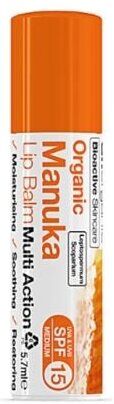
Dr. Organic Manuka Honey Lip Balm 5.7 mlHealth and Beauty Creams Dr. Organic Manuka Honey Lip Balm 5.7 ml What is Dr. Organic Manuka Honey Lip Balm? Dr. Organic Manuka Honey Lip Balm is a nourishing and repairing treatment designed for the daily care of dry, chapped, or damaged lips. Formulated with Manuka honey, known for its moisturizing, soothing, and protective properties, this lip balm helps restore the lips' natural softness while creating a protective barrier against external aggressors such as cold, wind, and dry air. Its formula combines naturally derived ingredients that provide long-lasting hydration without leaving a sticky residue, making it an essential ally for year-round lip care. Benefits • Intense and long-lasting hydration for dry and dehydrated lips • Helps repair chapped lips thanks to Manuka honey • Protects against external factors such as cold, wind and pollution • Soft and comfortable texture, ideal for everyday use • Formula with natural ingredients, suitable for sensitive lips Regular use of Dr. Organic Manuka Honey Lip Balm helps keep lips nourished, soft, and healthy-looking. Its soothing action helps relieve tightness and discomfort caused by extreme dryness, visibly improving lip comfort from the first application. Who is it for? Dr. Organic Manuka Honey Lip Balm is suitable for anyone seeking effective and natural lip care. It is especially recommended for: • People with dry, chapped, or sensitive lips • Those who suffer from dry lips due to climate changes • Users who prefer cosmetics with natural ingredients • People who want to prevent aging and deterioration of the lips It is a product suitable for daily use by both adults and young people, ideal to always carry with you and keep your lips protected at any time of day. How do I apply it? Applying Dr. Organic Manuka Honey Lip Balm is very simple. Just gently glide the balm directly onto clean, dry lips, covering the entire surface evenly. It can be reapplied as often as needed throughout the day, especially in situations of intense dryness or exposure to cold. Product use Dr. Organic Manuka Honey Lip Balm is designed for frequent and safe use. It is recommended to apply it several times a day as part of your daily skincare routine. It can be used alone or as a base under lip makeup, helping to improve the lipstick finish and prevent flaking. Continued use helps keep lips protected, moisturized, and healthy-looking for longer. Buy Dr. Organic Manuka Honey Lip Balm Purchasing Dr. Organic Manuka Honey Lip Balm is an excellent choice for those seeking an effective, natural, and high-quality lip balm. Available at specialty stores and authorized online retailers, this product guarantees daily lip care with the confidence of the Dr. Organic brand. Incorporating it into your routine means investing in soft, protected, and nourished lips every day.3,15 £*Shipping: 3,99 £Secure redirect to the provider
-
TIMELESS Handmade Tablecloth by Sustainable Threads Organic Cotton Handwoven Ikat Fair TradeTIMELESS Tablecloth Add rich heritage and extraordinary craftsmanship to your table with our TIMELESS Tablecloth, meticulously handmade from organic cotton and woven on traditional manual looms.220,00 $*Shipping: 0,00 $Secure redirect to the provider
-
What are alcohols in chemistry?
Alcohols are a class of organic compounds that contain a hydroxyl (-OH) functional group, which is a combination of a hydrogen atom and an oxygen atom bonded to a carbon atom. They are characterized by their ability to dissolve in water and their ability to undergo reactions such as oxidation and esterification. Alcohols can be classified as primary, secondary, or tertiary based on the number of carbon atoms bonded to the carbon atom bearing the hydroxyl group. They are commonly used as solvents, disinfectants, and in the production of various chemicals and consumer products. **
-
Which alcohols can you drink?
You can drink alcohols that are safe for human consumption, such as beer, wine, and spirits. It's important to drink responsibly and in moderation, and to be aware of your own tolerance and any potential health risks. It's also important to be of legal drinking age in your country or region. Always consult with a healthcare professional if you have any concerns about alcohol consumption. **
-
'It's about alcohols in chemistry.'
Alcohols are a class of organic compounds that contain a hydroxyl group (-OH) bonded to a carbon atom. They are commonly used as solvents, disinfectants, and in the production of various chemicals. Alcohols can be classified as primary, secondary, or tertiary based on the number of carbon atoms bonded to the carbon atom bearing the hydroxyl group. They also undergo various chemical reactions, such as oxidation to form aldehydes or ketones, and esterification to form esters. **
-
Why are primary and secondary alcohols not as reactive as tertiary alcohols in SN1 reactions?
Primary and secondary alcohols are not as reactive as tertiary alcohols in SN1 reactions because the rate-determining step in SN1 reactions involves the formation of a carbocation intermediate. Tertiary alcohols form more stable carbocation intermediates due to the presence of more alkyl groups, which stabilize the positive charge through hyperconjugation and inductive effects. In contrast, primary and secondary alcohols form less stable carbocation intermediates, making the reaction less favorable. As a result, tertiary alcohols undergo SN1 reactions more readily than primary and secondary alcohols. **
* All prices are inclusive of VAT and, if applicable, plus shipping costs. The offer information is based on the details provided by the respective shop and is updated through automated processes. Real-time updates do not occur, so deviations can occur in individual cases. ** Note: Parts of this content were created by AI.