Buy bioimkerei.eu ?
We are moving the project
bioimkerei.eu .
Are you interested in purchasing the domain
bioimkerei.eu ?
domain@kv-gmbh.de · 0541-91531010
Buy bioimkerei.eu ?
What are the most sustainable 3D printing materials?
The most sustainable 3D printing materials are typically biodegradable and renewable. Some examples include PLA (polylactic acid), which is made from renewable resources like cornstarch or sugarcane, and is compostable. Another sustainable option is PETG (polyethylene terephthalate glycol), which is recyclable and has a lower environmental impact compared to other plastics. Additionally, materials like wood-based filaments, which are made from recycled wood fibers and PLA, are also considered sustainable due to their biodegradability and renewable sourcing. **
What are raw materials, auxiliary materials, or operating materials?
Raw materials are the basic materials used in the production of goods. They are typically natural resources such as wood, metal, or agricultural products. Auxiliary materials are used to support the production process, such as lubricants, cleaning agents, or packaging materials. Operating materials are the supplies and tools used in the day-to-day operations of a business, such as office supplies, maintenance tools, or safety equipment. These materials are essential for the production and operation of goods and services. **

Similar search terms for Materials
Top-Angebote
Products related to Materials:
-
Fusion Finds Plastic Honey Bucket Rack Frame Holder For Beekeeping And Honey Extraction Plastic Honey Bucket Rack Frame Holder For Beekeeping And Honey ExtractionMake honey handling more convenient with this plastic honey bucket rack designed for beekeeping tasks. Measuring 8.3 x 6.7 inches (21 x 17 cm), it provides support for honey buckets during extraction and storage. The durable plastic construction is...49,97 $*Shipping: 0,00 $Secure redirect to the provider
-
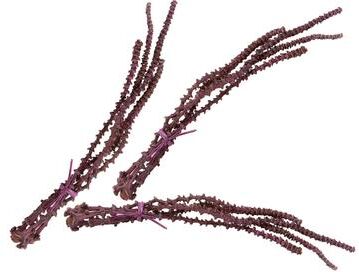
Elk Home Sceptre Black Natural Materials Ornamental AccessoryELK Home offer depth and breadth across a myriad of home furnishing categories with design styles ranging from updated traditional to soft modern. www.elkhome.com. A division of ELK Group International39,50 $*Shipping: 0,00 $Secure redirect to the provider



-
What is the difference between inorganic and organic building materials?
Inorganic building materials are derived from non-living sources such as rocks, minerals, and metals. They are typically more durable and resistant to environmental factors such as fire, water, and pests. Examples of inorganic building materials include concrete, steel, and glass. Organic building materials, on the other hand, are derived from living sources such as plants and animals. They are often more sustainable and environmentally friendly, but may be more susceptible to decay and damage from environmental factors. Examples of organic building materials include wood, bamboo, and straw. Overall, the main difference between inorganic and organic building materials lies in their source and properties, with inorganic materials being more durable and resistant, while organic materials are often more sustainable and environmentally friendly. **
-
Is organic sustainable?
Organic farming practices can be more sustainable than conventional methods in terms of reducing chemical inputs, promoting biodiversity, and improving soil health. However, there are challenges to the scalability and efficiency of organic farming, which can impact its overall sustainability. For example, organic farming typically requires more land and labor to produce the same amount of food as conventional methods, which can limit its ability to meet global food demand. Additionally, the transportation and distribution of organic products can have a higher environmental impact due to their shorter shelf life and the need for refrigeration. Overall, while organic farming has many sustainable benefits, there are also limitations to its long-term sustainability on a large scale. **
-
Is beeswax an organic substance?
Yes, beeswax is considered an organic substance. It is produced by honeybees and is a natural byproduct of their honey-making process. Beeswax is composed of various organic compounds, including esters, fatty acids, and long-chain alcohols. It is often used in organic and natural skincare products, candles, and food wraps due to its natural and sustainable properties. **
-
What is the difference between building materials, operating materials, and auxiliary materials?
Building materials are used in the construction of a structure, such as bricks, concrete, and steel. Operating materials are items used in the day-to-day operations of a building, like cleaning supplies, office supplies, and maintenance tools. Auxiliary materials are additional items that support the functioning of a building, such as lighting fixtures, plumbing fixtures, and HVAC systems. Each type of material serves a specific purpose in the construction and maintenance of a building. **
What is the difference between building materials, operating materials, and supplementary materials?
Building materials are used in the construction of a structure, such as wood, concrete, steel, and bricks. Operating materials are items used to maintain and operate a building, like cleaning supplies, light bulbs, and HVAC filters. Supplementary materials are additional items that may not be essential for the structure but can enhance its functionality or aesthetics, such as decorative finishes, landscaping materials, or furniture. **
Can someone explain the terms reserve materials, building materials, and operating materials?
Reserve materials are items kept in stock for future use, typically for emergencies or unexpected situations. Building materials are used in the construction or renovation of structures, such as wood, concrete, and steel. Operating materials are supplies necessary for the day-to-day functioning of a business or organization, like office supplies, cleaning products, and maintenance tools. Each term refers to specific types of materials needed for different purposes within a given context. **
Top-Angebote
Products related to Materials:
-
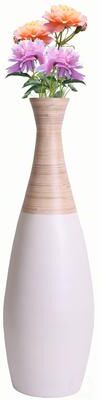
Uniquewise 31.5 inch Spun Bamboo Tall Trumpet Floor Vase - Decorative Home Accent, Natural Bamboo, Indoor Decoration, Sustainable Materials"Dimensions: Elevate your living space with the impressive dimensions of this modern floor vase, standing at a height of 31.5""and measuring 10"" in width, 10"" in depth."67,27 $*Shipping: 0,00 $Secure redirect to the provider
-
HomeDecorAndMore LLC 100% Organic Wood Restoration Beeswax 100% Organic Wood Restoration BeeswaxIs your furniture losing its shine and giving a centuryold vibe Does this make you want to buy new furniture But that is expensive and will surely take a toll on your budget for months. Want an affordable way out of this issue that makes your...21,97 $*Shipping: 0,00 $Secure redirect to the provider
-
Fusion Finds Plastic Honey Bucket Rack Frame Holder For Beekeeping And Honey Extraction Plastic Honey Bucket Rack Frame Holder For Beekeeping And Honey ExtractionMake honey handling more convenient with this plastic honey bucket rack designed for beekeeping tasks. Measuring 8.3 x 6.7 inches (21 x 17 cm), it provides support for honey buckets during extraction and storage. The durable plastic construction is...49,97 $*Shipping: 0,00 $Secure redirect to the provider
-
Elk Home Sceptre Black Natural Materials Ornamental AccessoryELK Home offer depth and breadth across a myriad of home furnishing categories with design styles ranging from updated traditional to soft modern. www.elkhome.com. A division of ELK Group International39,50 $*Shipping: 0,00 $Secure redirect to the provider
-
What are the most sustainable 3D printing materials?
The most sustainable 3D printing materials are typically biodegradable and renewable. Some examples include PLA (polylactic acid), which is made from renewable resources like cornstarch or sugarcane, and is compostable. Another sustainable option is PETG (polyethylene terephthalate glycol), which is recyclable and has a lower environmental impact compared to other plastics. Additionally, materials like wood-based filaments, which are made from recycled wood fibers and PLA, are also considered sustainable due to their biodegradability and renewable sourcing. **
-
What are raw materials, auxiliary materials, or operating materials?
Raw materials are the basic materials used in the production of goods. They are typically natural resources such as wood, metal, or agricultural products. Auxiliary materials are used to support the production process, such as lubricants, cleaning agents, or packaging materials. Operating materials are the supplies and tools used in the day-to-day operations of a business, such as office supplies, maintenance tools, or safety equipment. These materials are essential for the production and operation of goods and services. **
-
What is the difference between inorganic and organic building materials?
Inorganic building materials are derived from non-living sources such as rocks, minerals, and metals. They are typically more durable and resistant to environmental factors such as fire, water, and pests. Examples of inorganic building materials include concrete, steel, and glass. Organic building materials, on the other hand, are derived from living sources such as plants and animals. They are often more sustainable and environmentally friendly, but may be more susceptible to decay and damage from environmental factors. Examples of organic building materials include wood, bamboo, and straw. Overall, the main difference between inorganic and organic building materials lies in their source and properties, with inorganic materials being more durable and resistant, while organic materials are often more sustainable and environmentally friendly. **
-
Is organic sustainable?
Organic farming practices can be more sustainable than conventional methods in terms of reducing chemical inputs, promoting biodiversity, and improving soil health. However, there are challenges to the scalability and efficiency of organic farming, which can impact its overall sustainability. For example, organic farming typically requires more land and labor to produce the same amount of food as conventional methods, which can limit its ability to meet global food demand. Additionally, the transportation and distribution of organic products can have a higher environmental impact due to their shorter shelf life and the need for refrigeration. Overall, while organic farming has many sustainable benefits, there are also limitations to its long-term sustainability on a large scale. **
Similar search terms for Materials
-
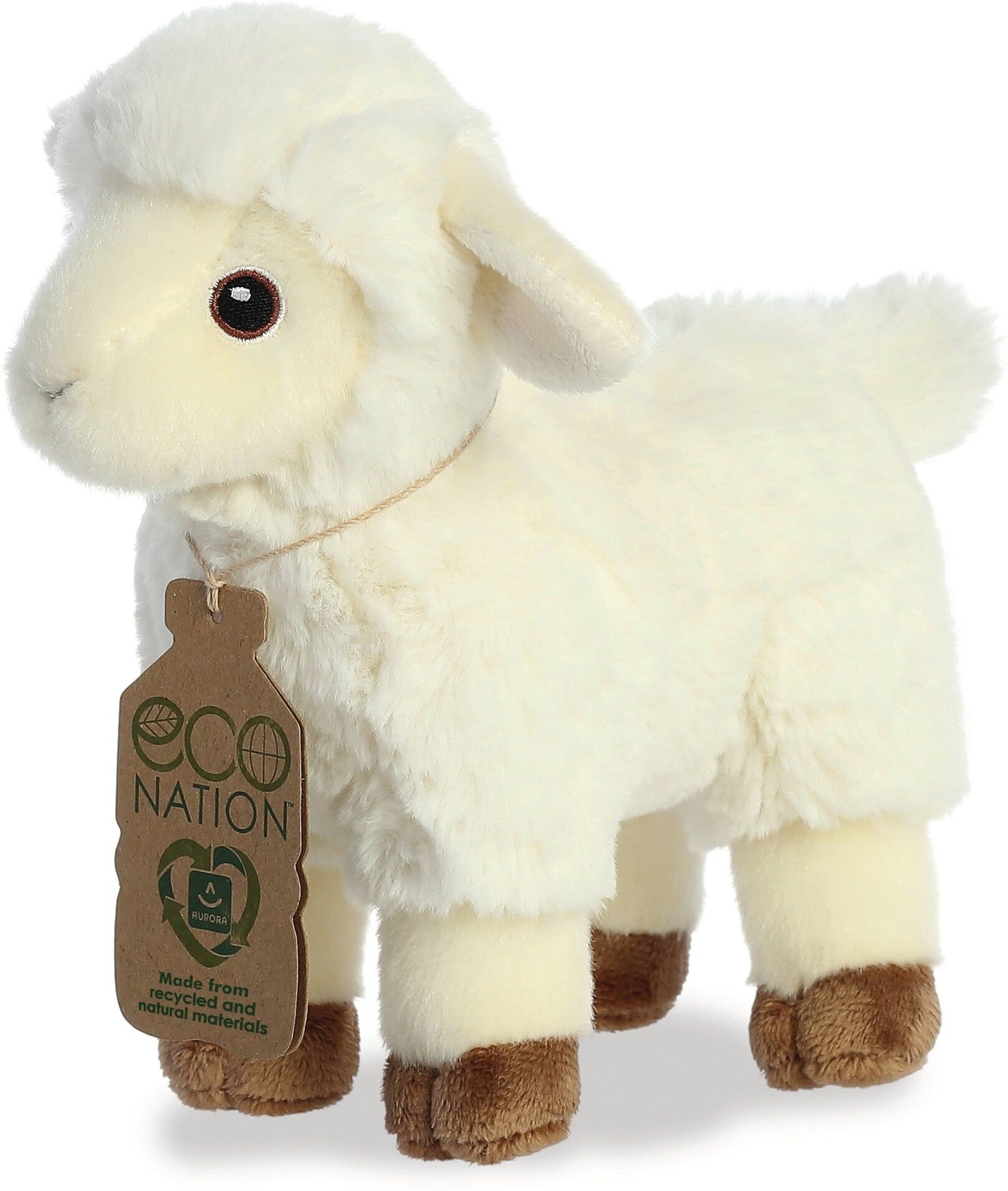
Aurora Eco Nation 8" Plush Lamb - Eco-Friendly Materials - 20cm - KidsCrafted with care, this lovable lamb is made from recycled plastics and natural materials, embodying our commitment to a sustainable future. Key Features: Eco-Friendly Materials: The plush exterior and fibre fill are crafted from recycled plastics, reducing plastic waste. Embroidered Eyes: Charming embroidered eyes combine safety and eco-consciousness. No plastic beans are used, making it even more environmentally friendly. Generous Size: Measuring 20cm, it's perfect for hugs and companionship. Lovable Lamb Design: The adorable lamb design appeals to all ages.13,79 £*Shipping: 3,95 £Secure redirect to the provider
-
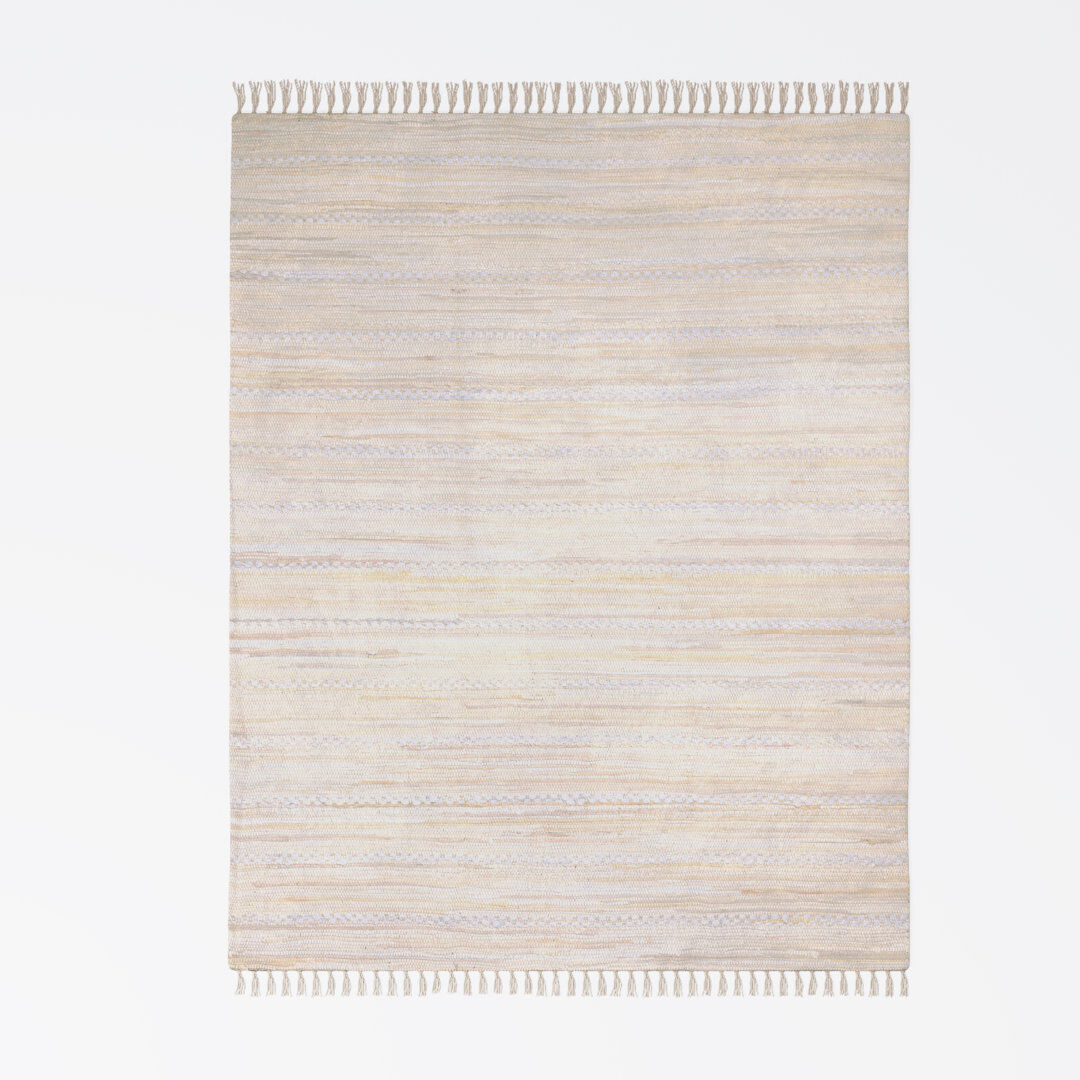
17 Stories Chindi Renova, recycled materials Rug Cream Rectangular 230 x 160cmThe Shady hand-woven chindi rug is a beautiful work of art made by experienced craftsmen. Each rug is unique and captivates with its vibrant colour spectrum and unique, hand -woven pattern. The rug has a robust texture and is suitable for everyday use. It is available in different sizes and can be used in different rooms, from living rooms and bedrooms to corridors and offices. The "Shady" chindi rug has a beautiful colour palette and gives any room a calm and relaxed feel. It fits perfectly with modern furnishing styles, but can also complement rustic or traditional decorations. The rug is easy to clean and can be maintained by simply vacuuming or beating. Experience the beauty and quality of the "Shady" hand-woven chindi rug and give your home a unique touch. Brand Name: 17 Stories. Rug Size: Rectangular 230 x 160cm, Colour: Cream106,99 £*Shipping: 0,00 £Secure redirect to the provider
-
Is beeswax an organic substance?
Yes, beeswax is considered an organic substance. It is produced by honeybees and is a natural byproduct of their honey-making process. Beeswax is composed of various organic compounds, including esters, fatty acids, and long-chain alcohols. It is often used in organic and natural skincare products, candles, and food wraps due to its natural and sustainable properties. **
-
What is the difference between building materials, operating materials, and auxiliary materials?
Building materials are used in the construction of a structure, such as bricks, concrete, and steel. Operating materials are items used in the day-to-day operations of a building, like cleaning supplies, office supplies, and maintenance tools. Auxiliary materials are additional items that support the functioning of a building, such as lighting fixtures, plumbing fixtures, and HVAC systems. Each type of material serves a specific purpose in the construction and maintenance of a building. **
-
What is the difference between building materials, operating materials, and supplementary materials?
Building materials are used in the construction of a structure, such as wood, concrete, steel, and bricks. Operating materials are items used to maintain and operate a building, like cleaning supplies, light bulbs, and HVAC filters. Supplementary materials are additional items that may not be essential for the structure but can enhance its functionality or aesthetics, such as decorative finishes, landscaping materials, or furniture. **
-
Can someone explain the terms reserve materials, building materials, and operating materials?
Reserve materials are items kept in stock for future use, typically for emergencies or unexpected situations. Building materials are used in the construction or renovation of structures, such as wood, concrete, and steel. Operating materials are supplies necessary for the day-to-day functioning of a business or organization, like office supplies, cleaning products, and maintenance tools. Each term refers to specific types of materials needed for different purposes within a given context. **
* All prices are inclusive of VAT and, if applicable, plus shipping costs. The offer information is based on the details provided by the respective shop and is updated through automated processes. Real-time updates do not occur, so deviations can occur in individual cases. ** Note: Parts of this content were created by AI.